Articles in this Volume

Research Article Open Access
Regulatory Impacts on the Development of Solar Industry in China: A Policy Analysis
Article thumbnail
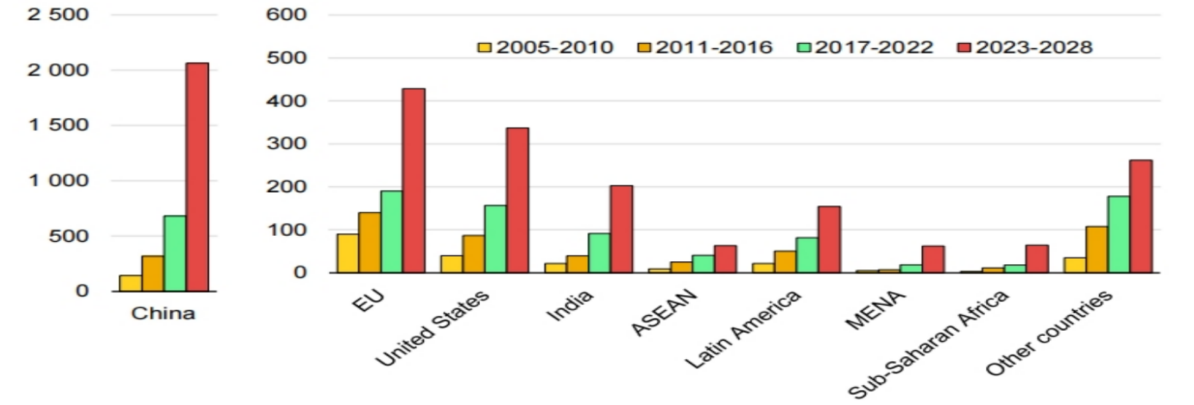
Traditionally, China's energy structure has been dominated by coal, but China is trying to make transition towards renewable energy sources such as solar, wind, and hydroelectric power. Among these energy, solar energy plays a crucial role due to its scalability and reduction of cost. This study explains the impact of government policies on the development of solar industry and how China become a global leader in this sector, and strategies employed to fix the problem of overcapacity. By employing a mixed-method approach, including current status of the solar industry, case studies, and policy analysis, this paper examines the impact of policy frameworks, both historical and contemporary policies. It aims to provide insights for policymakers and industry stakeholders through evidence-based recommendations designed to optimize policy frameworks, support industrial growth, and promote sustainable development. Lastly, this research seeks to give a broader understanding of how government policies can nurture a resilient and competitive solar industry, thereby promote the development of renewable energy technologies and environmental management.
Show more
Read Article PDF
Cite
Research Article Open Access
Sustainability and Corporate Governance: The Impact of ESG Policies on Business Strategy
In recent years, Environmental, Social, and Governance (ESG) policies have been integrated into corporate governance frameworks, critically influencing business strategy. This paper reviews the effects of ESG policies on business strategy, such as how firms have responded to the increasing demand for sustainability in their business practices. It studies the positive and negative aspects of introducing ESG policies, the part that corporate governance plays in achieving the goals of the policies, and the possible long-term aspects that may impact business performance. This paper intends to introduce how ESG policies redefined corporate strategies and motivated sustainable growth through a thorough review of existing literature and case studies. The study shows that integrating ESG policies into corporate governance and business strategy is crucial for a company. Good governance of corporations, engagement of stakeholders, and care for long-term sustainability are necessary for the success of ESG policies.
Show more
Read Article PDF
Cite
Research Article Open Access
The Impact of the Development of the Digital Economy on the Achievement of Common Prosperity: A Perspective on Employment Scale and Employment Quality
As the digital wave transforms production and wealth distribution, digital technologies reshape the economy and create new opportunities for inclusive development. This study evaluates common prosperity based on total wealth, distribution fairness, and sustainability while assessing the digital economy through industrialization, traditional industry transformation, and infrastructure robustness. Using 2013-2022 provincial panel data from China, it examines the digital economy’s impact and mechanisms. Findings indicate that the digital economy promotes common prosperity by optimizing employment structures and enhancing job quality, with increasing marginal returns as workforce quality advances. However, regional disparities persist due to varying industrialization levels. To accelerate common prosperity, fostering digital innovation, improving employment services, and promoting regional coordination are essential.
Show more
Read Article PDF
Cite
Research Article Open Access
Green Logistics Practice of E-commerce Platform: Taking Douyin as an Example
Green logistics focuses on integrating environmental sustainability into logistics and supply chain management by improving transportation efficiency and reducing environmental impacts. Some short-video e-commerce platforms like Douyin have already run into this problem that high return rates lead to excessive packaging waste and increased carbon footprints. This essay focuses on Douyin’s e-commerce logistics operations, examining its environmental challenges and exploring some feasible green logistics practices. By using case study methods and referencing the global best practices in green logistics, this study identifies sustainable logistics solutions tailored to Douyin’s operations. The findings suggest that implementing recyclable packaging, optimizing return management, and enhancing distribution efficiency can significantly reduce carbon emissions while strengthening brand reputation. Furthermore, this study highlights that increasing regulatory pressure and consumer awareness are pushing the transition toward sustainable logistics in e-commerce. This research provides strategic recommendations for e-commerce platforms that seek to implement sustainable logistics practices. It also highlights that green logistics is not only essential for mitigating environmental impact but also a key factor in strengthening corporate competitiveness.
Show more
Read Article PDF
Cite
Research Article Open Access
Interaction Mechanism of Economic Inequality and New Types of Financial Crimes in the Digital Economy Era and the Path of Legal Governance
This study tackles a research gap by spotlighting emerging economic crimes in the digital economy, diverging from the conventional focus on the link between economic inequality and traditional crimes. Past research frequently delves into how economic inequality correlates with traditional violent offenses, yet it mostly neglects the intricate and highly technical nature of new financial crimes in today’s digital age, such as cryptocurrency fraud, money laundering, and cross-border underground banking. These criminal activities not only widen the wealth disparity and form a negative cycle, but also present major difficulties for conventional legal frameworks. Through analyzing legal governance methods, this study strives to fortify China’s socialist legal system, boost the digital economy’s security risk prevention capacities, and back the modernization of the national governance system and capabilities. This study suggests that economic inequality results in a greater concentration of wealth among the wealthy, depriving the less advantaged of equal access to digital resources and skills. Consequently, the rich, with their superior grasp of digital technology, are more likely to exploit it for criminal ends. These offenses, which differ from traditional financial crimes, involve the use of digital platforms and are thus termed “new types of financial crimes.” In contrast, people with limited digital education are more susceptible to these crimes due to their lack of understanding of how they operate. Overall, the growing level of economic inequality directly drives the emergence of new financial markets.
Show more
Read Article PDF
Cite
Research Article Open Access
The Impact of Financial Crises on the Financing Capabilities of Small and Medium-Sized Listed Companies: A Bibliometric Analysis
Article thumbnail
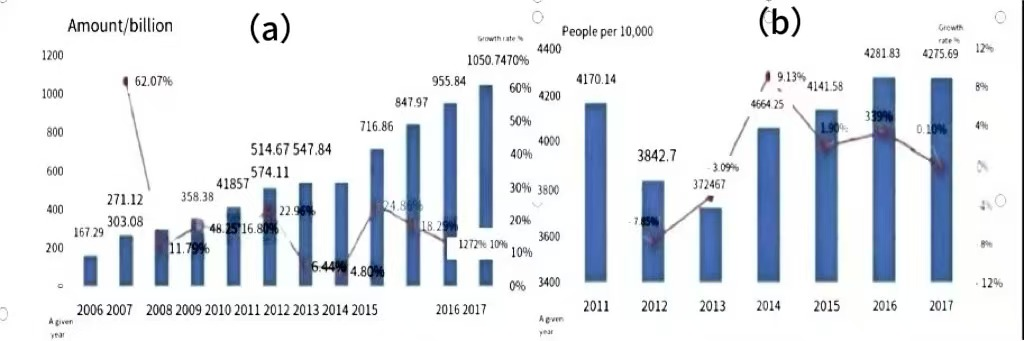
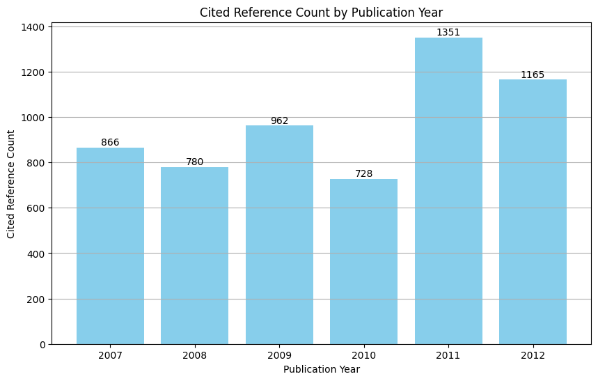
The global financial crisis from 2007 to 2008 had a serious economic impact on many countries and companies around the world, leading to a national economic recession. Small and medium-sized enterprises (SMEs) occupy an important position in the capital market and play a huge role in providing social employment and technological innovation. However, the occurrence of the financial crisis has caused the market to become extremely unstable, leading to financial institutions and banks tightening lending and increasing investors' aversion to the stock market. Often these listed companies find it more difficult to raise funds and their financing costs rise. This paper aims to study the impact of the financial crisis on the financing of small and medium-sized companies, and adopts a bibliometric research method. Through bibliometric analysis of 350 academic studies collected from Web of Science, it can be concluded that the region with the greatest impact on SMEs financing during the financial crisis was Asia. And the most serious impact on financing capabilities occurred in 2011. Literature analysis found that scholars in previous studies paid great attention to the financing and operation of SMEs, and thus studied and formulated policies to macro-control the economy.
Show more
Read Article PDF
Cite
Research Article Open Access
The Global Evolution of the New Energy Vehicle Industrial Chain and China’s Transformation: A Literature Review on “Chip Shortages and Soaring Battery Costs”
This paper conducts an in-depth discussion of three key issues by reviewing existing scholarly research. First, it outlines the evolutionary trends of the new energy vehicle (NEV) industrial chain from a global perspective. It analyzes the diversified development characteristics of major economies—including China, the United States, Europe, and Japan—within this industrial chain, as well as the distinct strategies each country has adopted in response to current uncertainties. Second, despite China’s remarkable achievements in the NEV sector, challenges remain, such as low added value and insufficient international competitiveness. In this context, the paper explores how China can transition from a “quantitative breakthrough” to a “qualitative breakthrough,” further optimizing and upgrading its industrial chain structure to climb toward the higher end of the value chain. Finally, it analyzes the causes of China’s “chip shortages and soaring battery costs”, and proposes potential solutions. Addressing the issues of chip scarcity and high battery costs, the paper puts forward strategies from both government and enterprise perspectives. These include strengthening top-level design, promoting breakthroughs in core technologies, focusing on research and development in key areas, and placing greater emphasis on talent cultivation within the industry. This study aims to provide a solid theoretical foundation for further research on the NEV industrial chain and offer valuable insights for the development of China’s NEV industry.
Show more
Read Article PDF
Cite
Research Article Open Access
The Economic and Social Case for Reducing College Tuition in the United States
Article thumbnail
The escalation of tuition fees in the United States has become a significant concern, leaving many individuals burdened by debt. In response, the United States has implemented a range of strategies, including grants and financial aid, to alleviate the financial burden of tuition. these measures have proven insufficient in curbing the persistently rising costs of tuition. The persistently increasing cost of higher education in the United States is a prime example. This article delves into the economic impact of reducing higher education tuition fees, discussing how affordable higher education can foster a more skilled and competitive workforce. It explores the potential for increased innovation and technological advancement resulting from greater access to affordable education. Furthermore, the paper scrutinizes the social benefits of lower tuition fees, such as mitigating student loan debt and enhancing socioeconomic mobility. A comparative analysis with China, a rapidly developing nation, provides invaluable insights into alternative approaches to achieving educational equity and minimizing tuition costs. By analyzing China’s strategies for enhancing access and affordability, readers can better understand potential solutions for the U.S. education system. This article proposes practical solutions for reducing the cost of higher education in the United States, which include increased government intervention, private sector participation, and innovative financing models. By presenting these insights, this paper aims to contribute to the ongoing discourse on making higher education more accessible and affordable for all.
Show more
Read Article PDF
Cite
Research Article Open Access
An Analysis of the Influence of Geopolitical Risk on the Efficiency of Chinese Equity Market
Article thumbnail
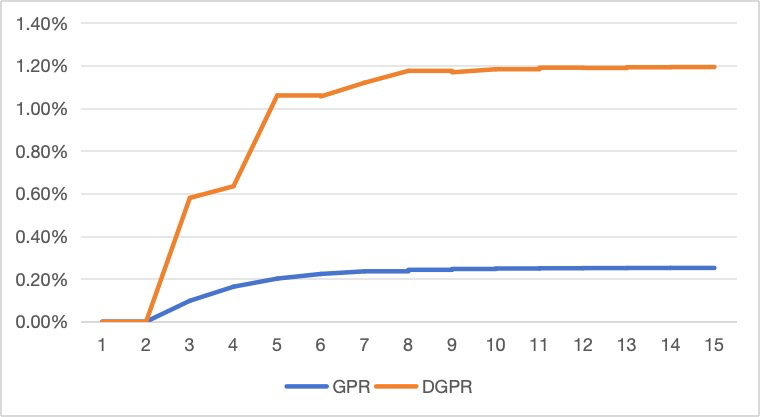
This research examines the influence of geopolitical risk on the pricing efficiency of the Chinese equity market. The emergence of the epidemic and the prevalence of geopolitical events have altered geopolitical risk, resulting in a substantial rise in financial market volatility. This study intends to examine the process by which geopolitical risk influences price efficiency. Geopolitical risk (GPR) and information rates (IR) are first chosen, and a vector autoregressive model is developed to thoroughly investigate the direct long-term link between GPR and IR in Chinese equity market. The research indicates that: i) An increase in geopolitical risk results in a long-term decrease in pricing efficiency within the Chinese equity market. ii) The effect gradually diminishes over time, indicating that the market can assimilate the knowledge in the long term, so restoring price efficiency to a stable state. iii) The influence of geopolitical risk on the pricing efficiency of the Chinese equity market during the epidemic was significantly more pronounced. iv) The Chinese equity market is now regarded as inefficient, with an anticipated enhancement in its capacity to assimilate and process information in the near term. The results are enlightening for investors and policymakers. It offers significant insights into the correlation between pricing efficiency and geopolitical risk in the Chinese equity market.
Show more
Read Article PDF
Cite
Research Article Open Access
ESG Rating Divergence and Analysts’ Earnings Forecast Divergence-Analysis Based on Information Asymmetry
Article thumbnail
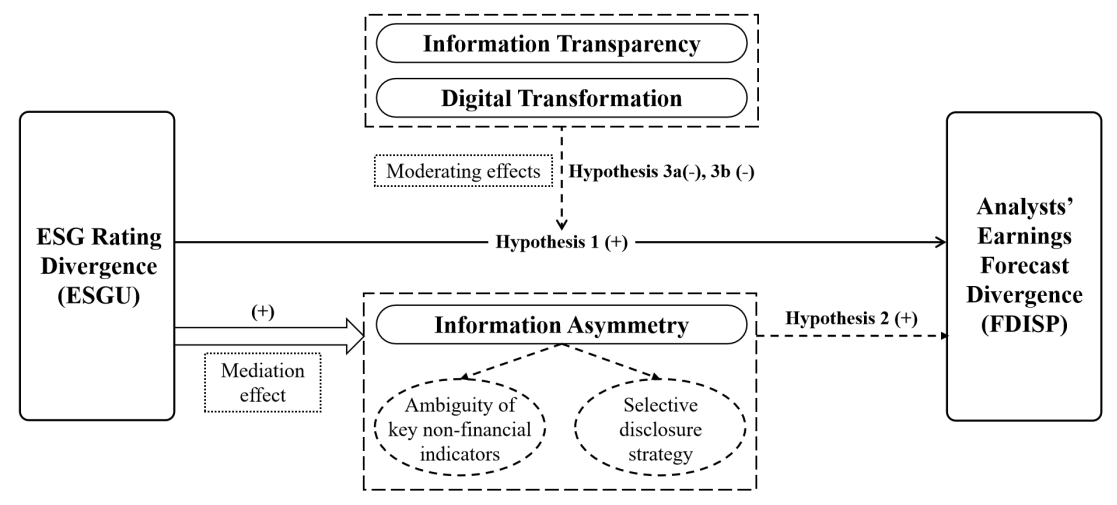
ESG, as a novel non-financial indicator, has emerged as a pivotal focus in global capital markets. Nevertheless, challenges stemming from ESG rating divergence are increasingly significant. Utilizing data from A-share companies from (2009–2023), this study investigates how ESG rating divergence influences analysts' earnings forecast divergence. Results indicate that ESG rating divergence markedly intensifies analysts' earnings forecast divergence, with information asymmetry acting as a mediating factor to amplify this effect. However, the increase in corporate information transparency and the deepening of digital transformation can effectively weaken the negative effect. Heterogeneity analysis reveals stronger effects in low-competition industries, heavily polluting firms, and cost leadership enterprises. The study extends the ESG rating divergence impact to analysts' behavior, emphasizing the importance of corporate information transparency construction and digital transformation to optimize the ESG rating system. The findings enrich the literature on the factors influencing analysts' earnings forecast divergence and provide a theoretical basis for differentiated ESG regulation.
Show more
Read Article PDF
Cite