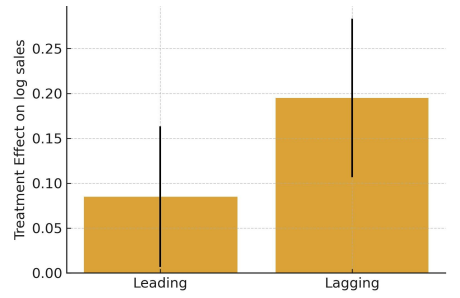
With the surge in the digital platform ecosystem over the last few years, competition in the game sector has become more prominent, compelling the leading game console producers to consider a critical strategic dilemma: whether or not the platform should retain exclusivity in order to maintain a lock-in effect on consumers or implement a compatibility feature like cross-platform play in order to increase the scale of the network. This paper investigates the extent to which the adoption level of cross-platform compatibility affects the results in the bilateral digital game console market, specifically on the sale of games and the platform market share. This paper uses a Difference-in-Differences approach and focuses on the adoption level of cross-play on multiple-player game consoles between 2018 and 2022. This paper aims to give real-world evidence on the level of influence on the extent to which the adoption level affects user engagement on digital platforms. Our results provide corresponding evidence that the adoption level of cross-platform play can increase the sale of games and the level of market dynamism. Even more importantly, the results reveal that the leading platforms are less benefited compared to the platforms with lower initial market shares, indicating that cross-platform compatibility can act as a highly effective competitive tool for the challenging platforms.