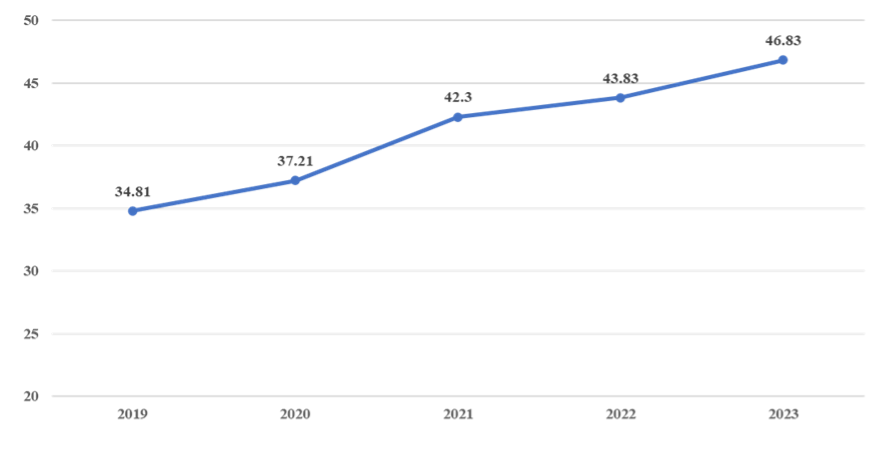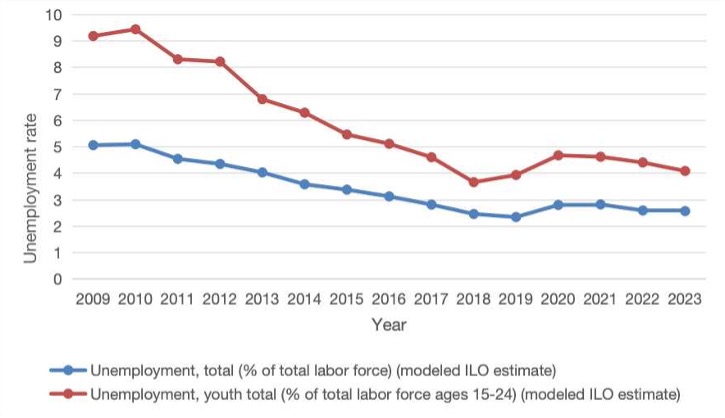
Nowadays, Japan faces a severe labor shortage due to an unstoppable aging trend in the population. In this paper, Japanese University Graduate's active choice of their employers has emerged as the most striking phenomenon in recent years. This situation represents changes in social and economic structures and carries important implications for the Japanese labor market and economy. The purpose of this article is, therefore, to discuss the behavior of graduates who are more inclined to pursue personal development and work-life balance in their employment choices and the implication of that on industry structure and corporate recruitment strategies. It emerges from the study that although the phenomenon enhances the autonomy of graduates in the labor market, it also brings about associated problems like labor shortages in traditional industries. Concretely, the article therefore suggests some policy ideas on how pro-natalist policy, relaxed immigration policy, and reduced information asymmetry could optimize the allocation of labor resources and hence ensure Japan's sustainable economic development.