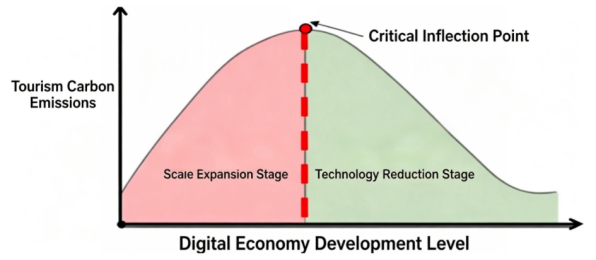
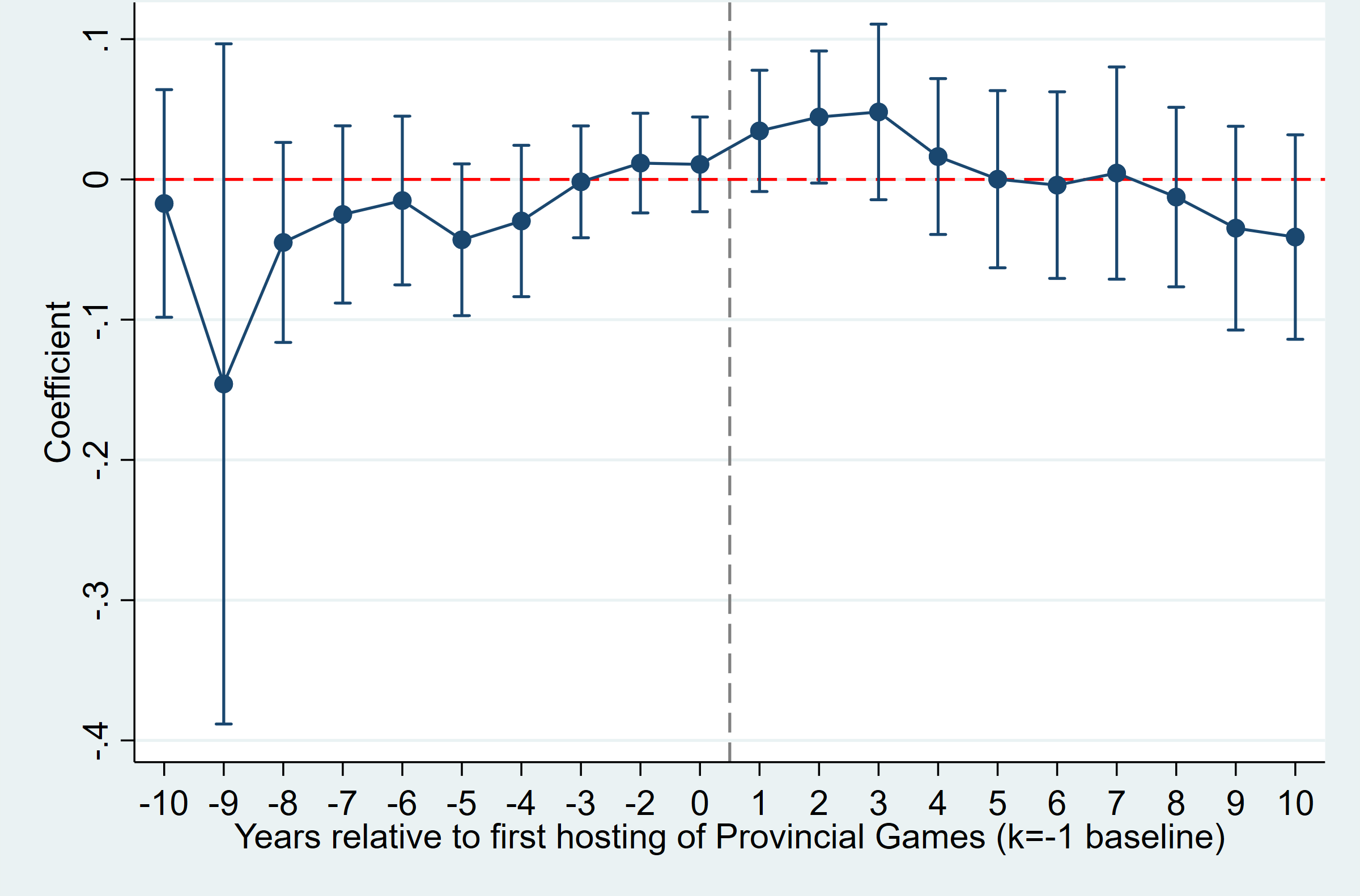
One of the main problems of the digital economy in recent years is how to achieve the combined development of digitalisation and green transformation in enterprises. Based on the data of Chinese A-share listed companies, this paper will systematically study the impact, transmission mechanism and heterogeneity of urban computing infrastructure on enterprise integration in digital and green development over time using a time-fixed-effects model. Based on the above results, it can be concluded that the urban computing infrastructure has a positive effect on enterprises' integration of digital and green development, and this effect is robust to all kinds of sensitivity tests, such as adding control variables, changing the sample period, modifying standard errors, lagging explanatory variables and including industry fixed effects. Based on the analysis of the mechanism, the computing infrastructure will reduce financing constraints, promote the integration of industry and increase real-economy industrial upgrading and enterprise innovation. Based on the test of heterogeneity, the positive effect is relatively strong for non-state-owned enterprises and in non-competitive industries. This paper provides empirical evidence on the use of computing infrastructure for digital-green development in enterprises and offers policy recommendations to help the government tackle the problem of carbon emissions from infrastructure construction by means of differentiated policies.
Research Article
Open Access