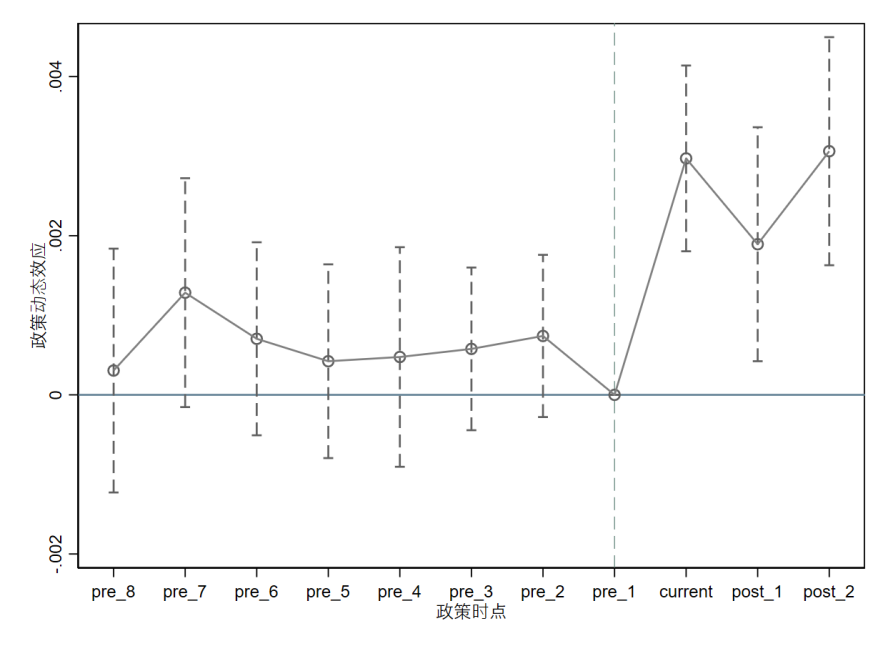
Fiscal matters are the foundation and important pillar of national governance, and enhancing local fiscal resilience is one of the important handles for responding to the 'soft landing' of economic growth. Based on panel data at the prefecture-level-city level from 2013 to 2023, this paper takes the normalized fiscal and accounting supervision reform implemented by the Ministry of Finance in 2020 as an exogenous policy shock, and uses the difference-in-differences method to analyze the effect of fiscal transparency on urban fiscal resilience. The research shows that the normalized fiscal and accounting supervision policy can reduce the government debt ratio, optimize the fiscal expenditure structure, and drive local consumption, thereby effectively improving local fiscal resilience. This effect is more pronounced in cities with high resource allocation efficiency and balanced fiscal execution. Starting from the perspective of fiscal supervision, this study provides a useful reference for resolving local fiscal pressure and preventing local fiscal risks.