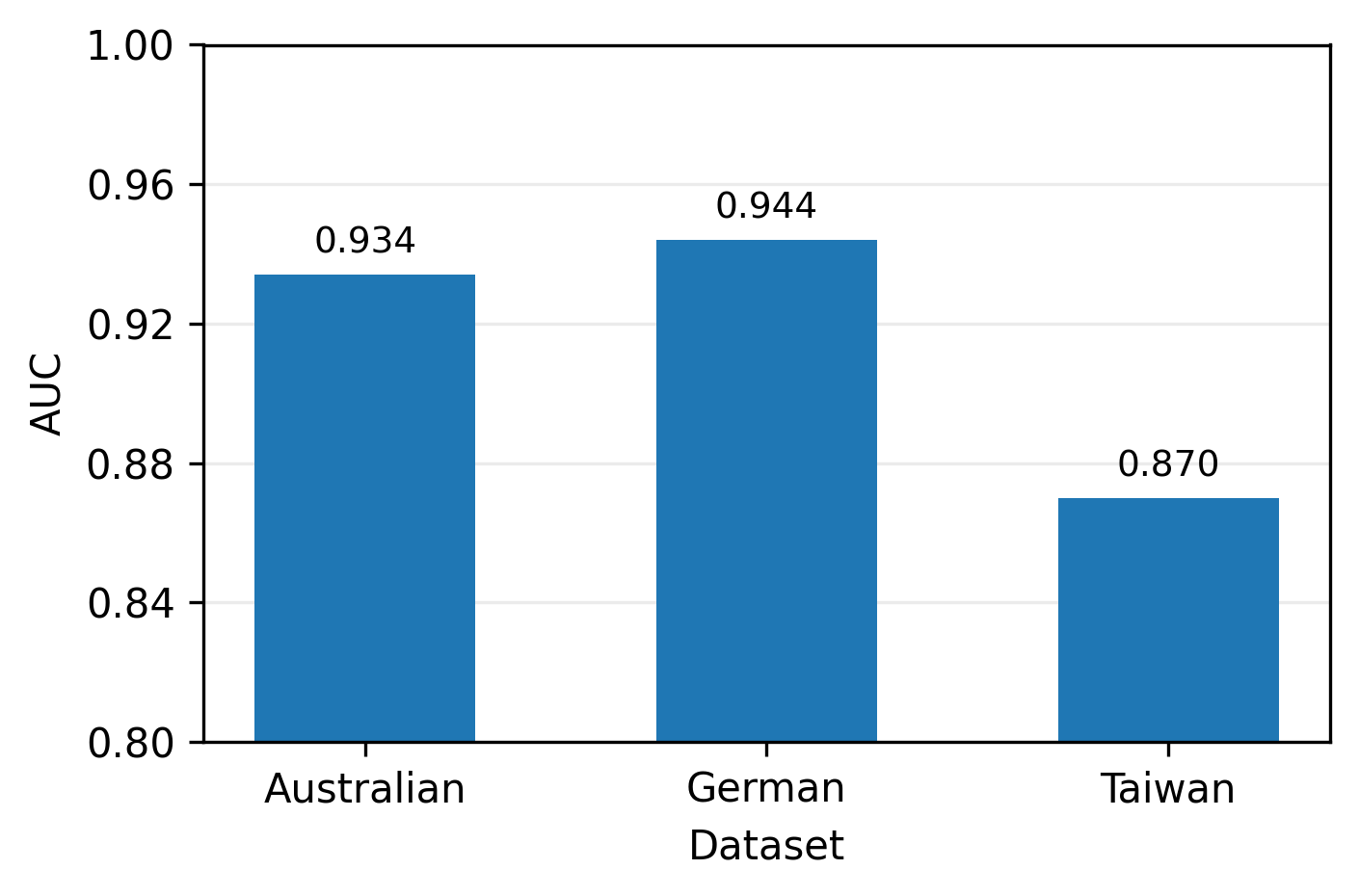
Credit scoring has become more data-driven as online lending platforms collect larger and more varied borrower records. Machine learning methods can model nonlinear patterns that traditional scorecards often miss, but their decisions are harder to explain in a regulated lending environment. This paper discusses how explainable artificial intelligence can be used to make credit scoring models more transparent, with a focus on SHAP and LIME. Using the Lending Club dataset and recent empirical evidence from credit-risk studies, the paper compares the predictive role of ensemble learning models with the interpretive roles of SHAP and LIME. The discussion shows that ensemble methods can provide strong discrimination across public credit datasets, while the usefulness of a model also depends on whether its outputs can be audited and communicated. SHAP is better suited to global feature analysis, model review, and risk-policy design. LIME is more useful when a single loan decision must be explained to staff or customers. Used together, the two methods offer a practical route to balance accuracy, transparency, and compliance in credit scoring.