Articles in this Volume

Research Article Open Access
From Technological Innovation to Brand Ecosystem: DJI's Marketing Secrets and Insights
With the rapid expansion of the global UAV market, DJI has solidified its position as a leader primarily through technological innovation. However, as competition intensifies, questions arise about whether technological superiority alone can sustain DJI's market dominance. This study addresses this issue by examining how DJI leverages brand marketing and ecosystem development to enhance its technological advantage, using a case study approach with process tracing. Findings demonstrate that DJI strategically builds brand influence through active social media engagement, offline events, and cross-industry collaborations. These efforts contribute to a robust brand ecosystem that not only strengthens user engagement but also fosters deep customer loyalty. Additionally, this research introduces an interactive model—"technological innovation–brand marketing–brand ecosystem"—to illustrate the dynamic relationship between these factors. This framework provides valuable insights into how technology-driven firms like DJI can achieve long-term market competitiveness by combining technological advancements with comprehensive brand and ecosystem strategies. Ultimately, the study underscores the importance of an integrated approach that extends beyond technological prowess to include active brand building and ecosystem development for sustained market leadership.
Show more
Read Article PDF
Cite
Research Article Open Access
Research on Hermès Beauty Line and Marketing Strategy
Article thumbnail
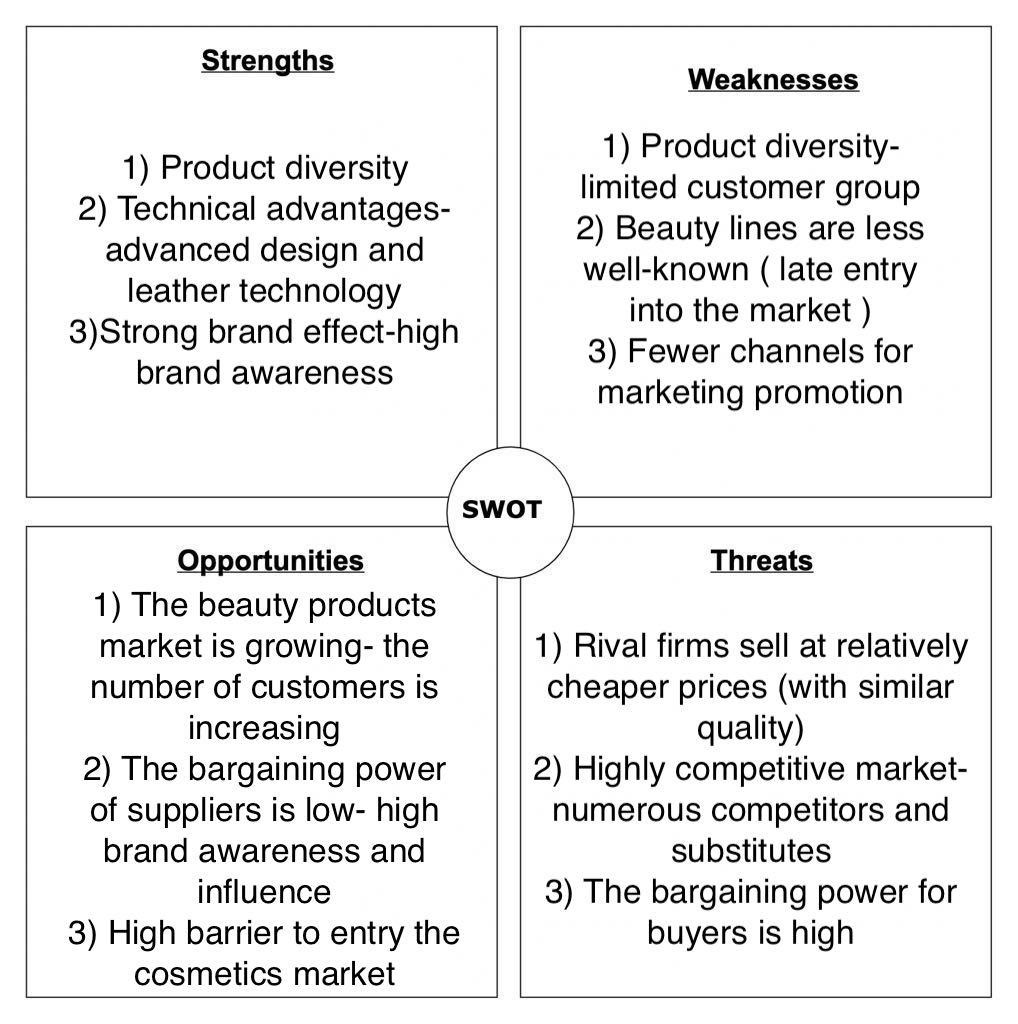
Hermès launched a new beauty product line in 2020. Compared with well-established companies such as Chanel and Dior, which have been in the market for an extended period, Hermès entered the beauty market relatively late. Although numerous commercial studies on Hermès exist, most of them primarily focus on the Hermès company itself or its traditional product line, with insufficient attention given to the new beauty line. This paper aims to explore the marketing strategies applicable to Hermès' beauty line by utilizing the 4P framework, Porter's Five Forces Model, and SWOT analysis. A comparative examination of Chanel's beauty line market strategy reveals that Hermès could benefit from emphasizing its brand history and traditions while simultaneously leveraging digital innovation in its marketing approach. The findings of this paper will not only help Hermès to adjust its market strategy in a timely manner but also provide valuable insights for other similar brands to enter the beauty market.
Show more
Read Article PDF
Cite
Research Article Open Access
A Global Comparative Study of Financial Market Anomalies
Article thumbnail
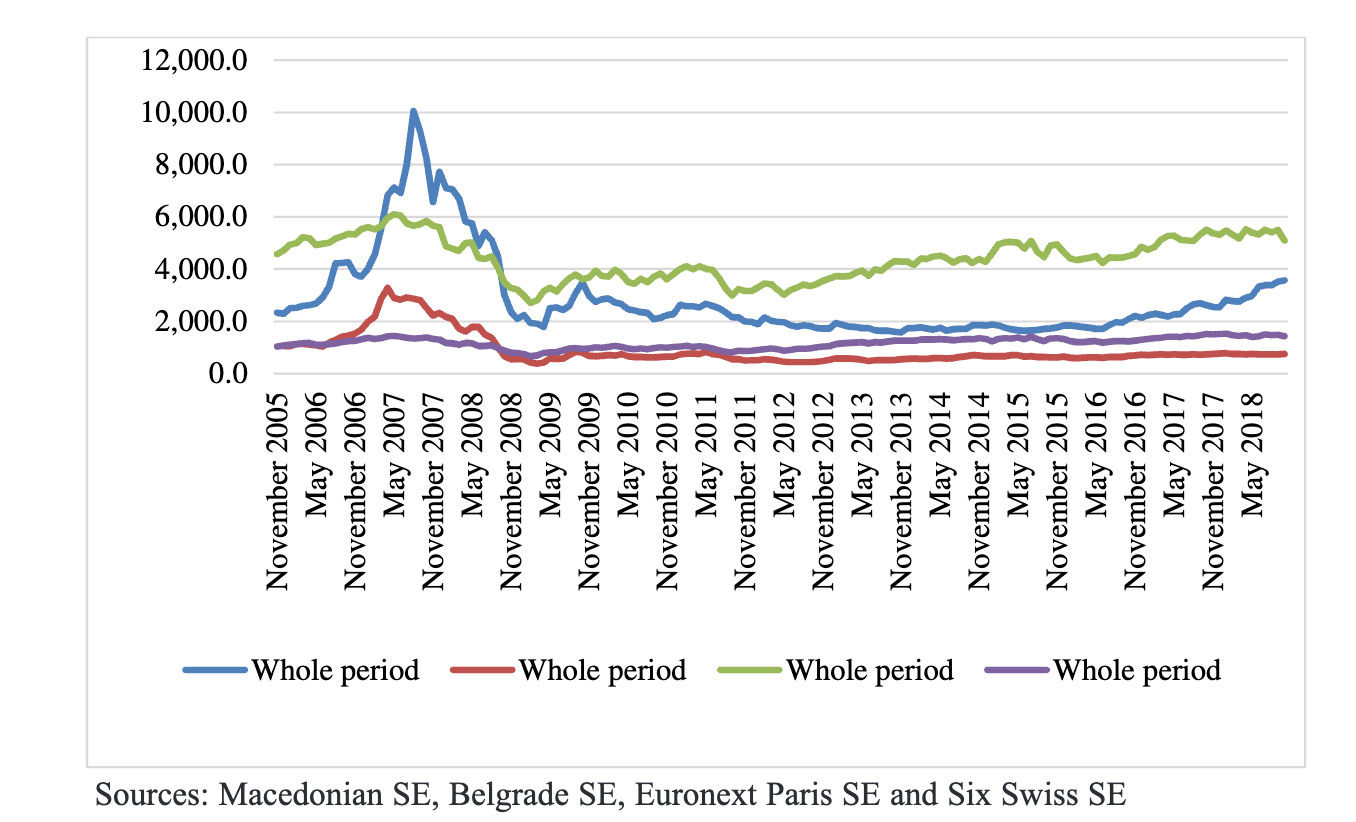
The financial market has long been regarded as an effective price discovery mechanism; however, a substantial body of empirical research has revealed the existence of market anomalies. These anomalies not only challenge traditional market efficiency theories but also reflect the complexity of investor behavior. This study examines market anomalies in financial markets, with a focus on diverse asset classes and distinct national markets. In order to analyse significant categories of anomalies, including price anomalies (momentum and reversal effects), volume anomalies, and other irregular patterns such as the calendar effect, the research employs a literature review methodology. The distinctions between established and emerging markets, along with variances within asset classes such as equities, fixed income, and foreign currency markets are elucidated by this research using comparative analysis. The results enhance comprehension of market efficiency and behavioural finance theories. Furthermore, the study offers insights for policymakers and investors to enhance their understanding and management of these anomalies in their decision-making processes.
Show more
Read Article PDF
Cite
Research Article Open Access
The Impact of Contract Type and Monthly Charges on Customer Churn: Comparative Analysis Across Age Groups
Article thumbnail
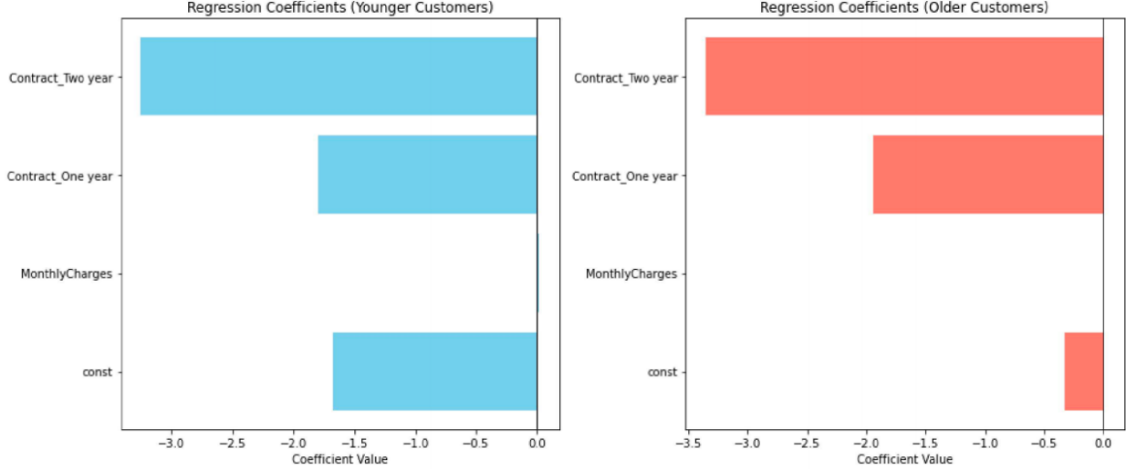
The study wishes to explore the specific impact of contract type and monthly expenditure on telecommunication customer churn. The study uses regression analysis to quantify the impact of these two independent variables on overall customer churn and analyzes the impact of contract type and monthly spending amount on customer churn for different customer groups by dividing customers into younger and older groups, respectively. The focus of the study is to explore which group of customers is more susceptible to the impact of contract type and monthly spending amount and to provide corresponding insights for the company and the industry in retaining customer churn. The results of the study show that both contract type and monthly spending can have a significant impact on customer churn. In the younger customer group, monthly consumption has a greater impact on churn and a negative relationship. Whereas in the older customer group, the impact of contract type is greater, and long-term contracts have a dampening effect on customer churn.
Show more
Read Article PDF
Cite
Research Article Open Access
Evaluating Climate Risk Responses in Agribusiness: Insights from Bunge Limited and Archer Daniels Midland
In recent years, climate change has emerged as a critical issue exerting significant negative impacts on the agricultural industry, with globalized companies like Bunge Limited and Archer Daniels Midland (ADM) facing unique challenges. The increasing frequency and intensity of extreme weather events, rising temperatures, and altered precipitation patterns are affecting these companies’ international operations, particularly their supply chains and crop production capacities. These disruptions have created substantial risks, threatening the consistency and reliability of their global agricultural supply chains. This paper investigates how climate change has impacted the operations and financial performance of Bunge Limited and ADM. Evaluations will focus on how each company responds to climate-induced risks, considering their risk management practices and adaptation strategies. Both quantitative metrics, such as revenue and profit changes, and qualitative aspects, like operational flexibility and risk mitigation efforts, will be analyzed. Additionally, the effectiveness of their strategic responses in sustaining profitability while minimizing climate-related risks will be assessed, providing a comprehensive overview of their climate resilience approaches.
Show more
Read Article PDF
Cite
Research Article Open Access
Research for Machine Learning Enhance the Customer Retention Rate
Customer retention is important for businesses that want to maintain long-term profitability. This is especially true in industries such as telecommunications and media. Machine learning is a powerful tool. Businesses might use it to find clients who are likely to leave. And to keep them, offer focused treatments. This article explores how machine learning models can use customer data to predict customer churn. The model includes logistic regression (LR), decision tree (DT), random forest (RF), and gradient boosting trees (GBT). Analyze factors such as customer retention period, monthly fees, and service usage to address the drivers of customer churn. SMOTE techniques are also discussed. Discuss how this technique addresses category imbalances in customer churn forecasts. At the same time, this paper investigates how feature engineering, model adjustment, and visualization can improve prediction accuracy. This article uses a case study of a telecommunications company to demonstrate the application of these methods. Finally, this paper Outlines the application prospects of machine learning in the future. Such as integrating more data sources and using deep learning models to improve the potential direction of customer retention strategies.
Show more
Read Article PDF
Cite
Research Article Open Access
Detecting and Predicting Supply Chain Risks: Fraud and Late Delivery Based on Decision Tree Models
Article thumbnail
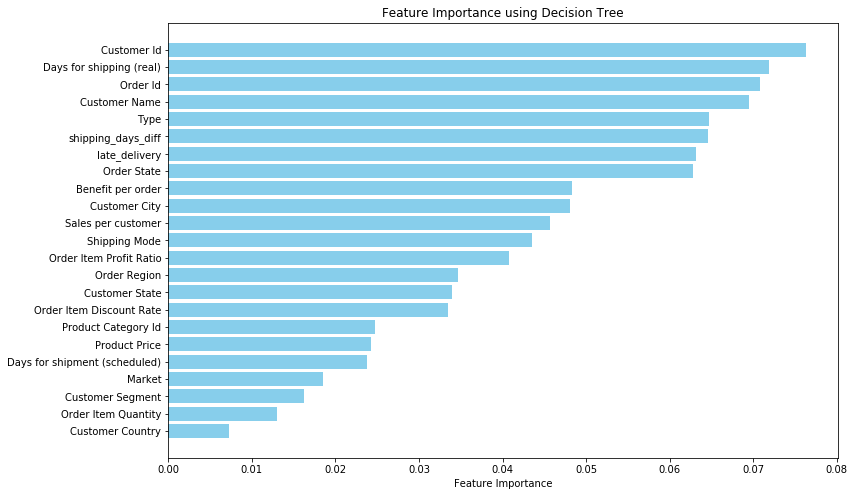
In modern supply chains, fraudulent orders and late deliveries cause major disruptions, leading to inefficiencies and increased costs. Traditional methods like manual audits and rule-based systems are often inadequate. They struggle to handle complex data and adapt to rapidly changing conditions. Machine learning provides a more effective solution by managing large datasets and detecting intricate patterns. This study examines decision tree models for detecting and predicting risks within supply chains. This research takes the data smart supply chain dataset as an example, analyzing the effect of deploying a decision tree into risk prevention. After data cleaning and feature engineering, the decision tree analyzes feature importance, helping detect key factors that cause risks. Then, a decision tree model is built to determine whether an order is fraudulent and predict whether it will be delivered late. The model's performance is measured using accuracy, precision, recall, and F1-score. The results show that decision trees are an effective tool for identifying these risks. They offer clear insights into key factors impacting supply chain performance. This study concludes that machine learning can improve risk management in supply chains. It helps make operations more efficient and resilient against disruptions.
Show more
Read Article PDF
Cite
Research Article Open Access
Machine Learning-Based Prediction of Customer Churn Risk in E-commerce
Article thumbnail
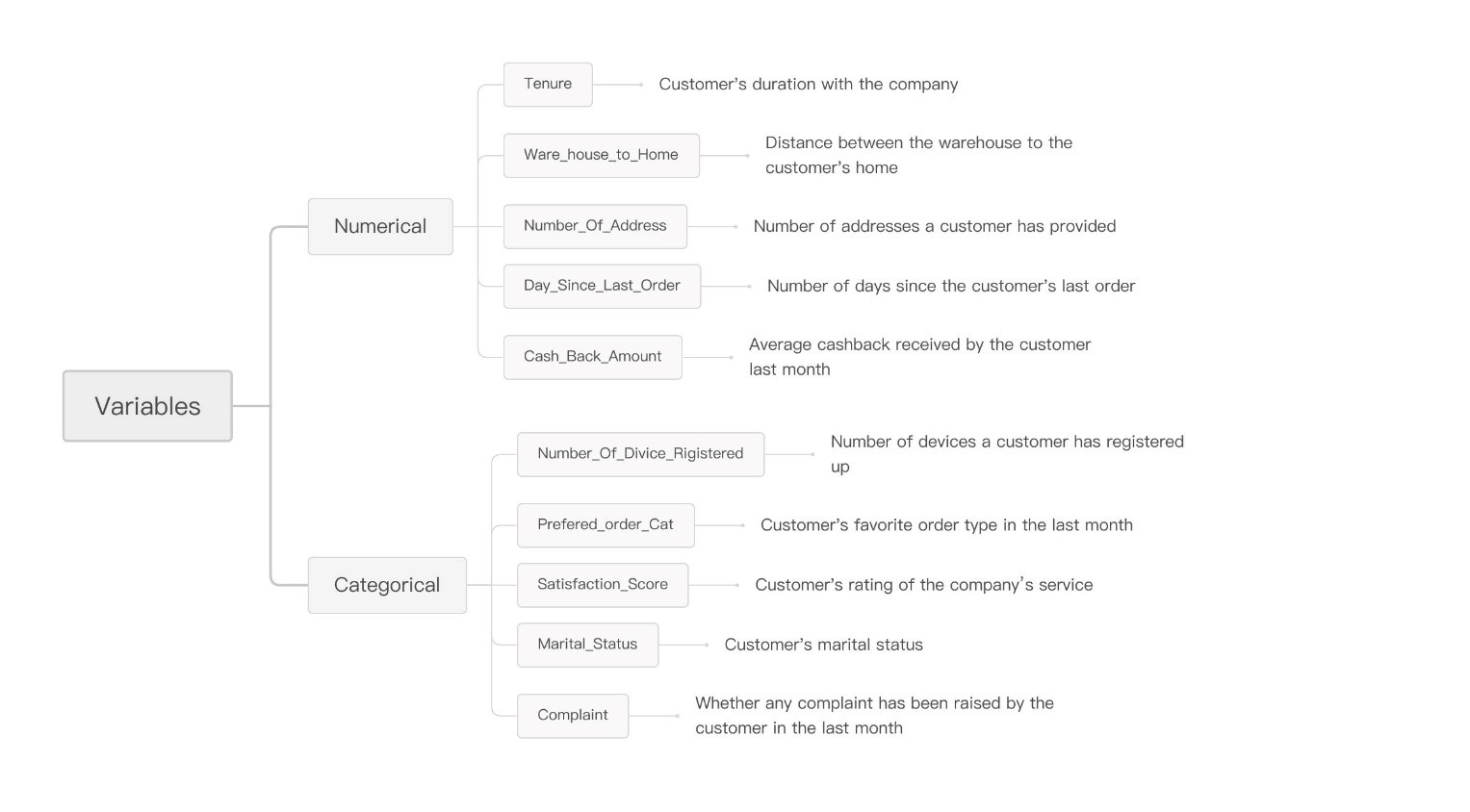
Amidst the booming development of e-commerce and intense market competition, numerous e-commerce companies frequently encounter the issue of customer loss. This research endeavors to offer a comprehensive analysis and precise forecasting of customer churn behavior for an E-commerce company. The research utilizes the “E-commerce Customer Churn” dataset From Kaggle, which offers a wealth of customer information. The paper initially performs a data cleaning to fill the missing value by K-nearest neighbors (KNN). And then, it also performs feature engineering to preprocess the dataset. Subsequently, multiple machine learning models were constructed, including Logistical Regression (LR), Random Forest (RF), Gradient Boosting Decision Tree (GBDT), Neural Network (NN), and a stacking model with a metal-leaner as Extreme Gradient Boosting (XGBoost) has been developed. The stacking model achieved the highest performance with 92.8% accuracy and 0.940 AUC. Key factors such as tenure, complaints, cashback amount, order recency, and satisfaction score were identified as important predictors. This research demonstrates the potential of Machine Learning in developing effective retention strategies for e-commerce platforms.
Show more
Read Article PDF
Cite
Research Article Open Access
Bank Customer Churn Prediction Using Machine Learning
Article thumbnail
The banking sector is fiercely competitive in the present difficult time. Banks concentrate on both customer retention and customer turnover to raise the caliber and degree of service. The classification issue in the banking sector is examined in this essay. It detects possible churners from among potential customers and primarily focuses on bank customers' worries around churn. The bank uses supervised machine learning to identify and forecast which of its clients are most likely to leave. Since it is necessary to define churn and non-churn clients, customer churn prediction can be used in this situation. To address the distinctions between churn and non-churn clients, this study uses logistic regression, decision trees, and random forest classifiers. Accuracy levels can be attained via several classifiers. The Kaggle dataset for bank customer churn modeling is used for the experiment. To identify an appropriate model with more accuracy and predictability, the outcomes are compared. The findings demonstrate that, upon oversampling, in terms of accuracy, the decision tree model outperforms other models.
Show more
Read Article PDF
Cite
Research Article Open Access
Analysis of Pinduoduo's Advertising Strategy from the Perspective of Communication Channels
This paper analyzes Pinduoduo’s comprehensive advertising strategy, which integrates both digital and traditional media channels to optimize reach, engagement, and brand awareness across diverse consumer segments. Pinduoduo effectively leverages digital platforms, particularly social media, through innovative strategies such as group purchasing, gamification, influencer marketing, and data-driven targeting. These personalized and interactive approaches foster strong user engagement and drive organic growth. Simultaneously, traditional advertising channels—television, print, and outdoor advertising—remain central to Pinduoduo’s strategy, especially in reaching consumers in lower-tier cities and rural areas. The paper further explores how Pinduoduo adheres to the principles of integrated marketing communication (IMC) by delivering consistent messaging across diverse channels, enhancing brand credibility and consumer trust. By combining the precision of digital marketing with the broad reach of traditional media, Pinduoduo has positioned itself as a leading e-commerce platform, capable of appealing to a wide-ranging audience while maintaining a cohesive brand identity in an increasingly competitive market.
Show more
Read Article PDF
Cite