Articles in this Volume

Research Article Open Access
Analysis of Capital Asset Pricing Model: Advantages, Disadvantages and Alternative Models
Return on investment and investment risk have long been worries for investors in financial area. The Capital Asset Pricing Model (CAPM) is the main subject of this investigation. Given the background that the CAPM has limitations but is still important for investors, this paper examines the benefits and weaknesses of the model as well as the four alternatives: the Consumer Capital Asset Pricing Model (CCAPM), the Fama-French Five Factor Model (FFFM), the Fama-French Three Factor Model (FFM), and Arbitrage Pricing Theory (APT). The inference made is that, given to certain assumptions, investors can apply this pricing model to make some judgments more quickly. Investors utilizing the CAPM model can consult the findings of the other four alternative models, all of which have advantages beyond those of the CAPM. The target of the study is to examine and evaluate the ways in which each pricing model can assist investors in reaching the best possible decisions.
Show more
Read Article PDF
Cite
Research Article Open Access
Policies Changes of US Government on EVs Companies
With the increase of environmental awareness, reducing carbon emissions has become one of the top concerns. At the same time, the automotive industry, as a major focus of carbon emissions, has also received close attention, and more and more people are concerned about the environmental development potential of the industry. This trend has led to major shifts in public policy and consumer behavior. At the heart of this shift lies the development of electric vehicles (EVs). Governments around the world, including the United States, have enacted policies to support the industry. As one of the most powerful automobile production companies in the United States, Ford has also become an important company leading the production of electric vehicles. This article examines several different policies proposed by the US government and discusses in detail their impact on Ford Motor Company and the electric vehicle industry. The positive and negative impacts of policies are discussed by analyzing government initiatives, industry dynamics, consumer behavior, and social feedback. At the same time, the paper highlights the complexity and challenges companies face in moving from traditional internal combustion engines (ICE) to electric vehicles. The findings suggest that while government policy has played a key role in boosting electric vehicle infrastructure, it has also created other economic challenges and new opportunities for auto companies like Ford.
Show more
Read Article PDF
Cite
Research Article Open Access
Pharmaceutical Industry Investment and Profitability: A Review
Article thumbnail
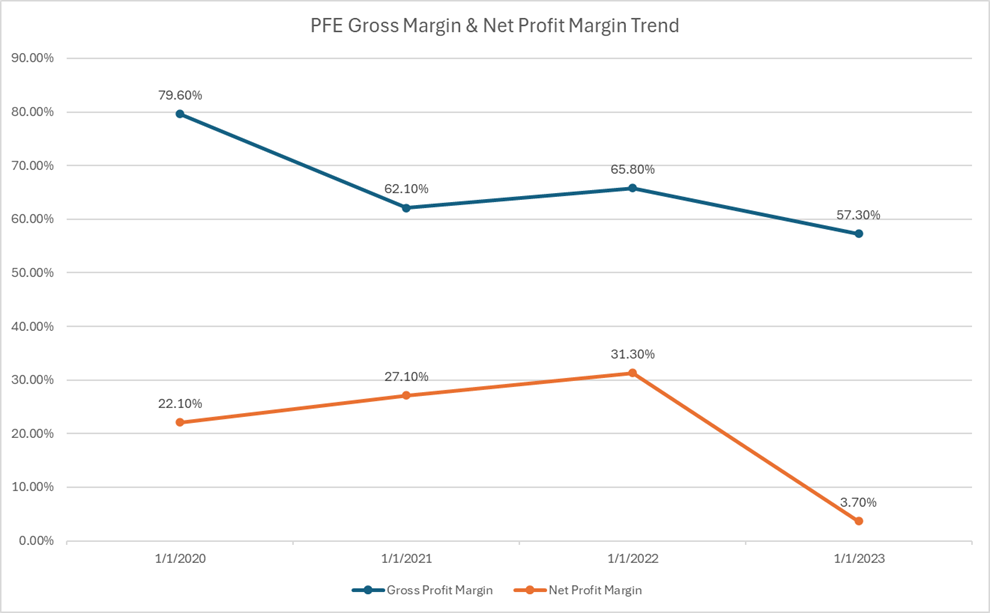
Over the past decades, the global healthcare market has been constantly growing, especially during the COVID-19 global pandemic. Along with the rapid growth, the pharmaceutical sector of the stock market has shown countless investment opportunities. This paper examines the financial performance and strategic approach of four leading companies within the pharmaceutical industry: Pfizer Inc., Johnson & Johnson, Bristol-Myers Squibb, and Merck & Co., Inc. By calculating and analyzing the profitability ratio, this paper tries to address the problem of identifying profitable companies within the sector. While prior studies have shown that profitability ratios are crucial in evaluating companies' potential returns, a detailed study comparing these ratios across pharmaceutical companies is scant. This paper fills the gap by analyzing each company's financial performance and showing its strategic impact on profitability. The findings of this paper are consistent with prior findings that profitable companies tend to have stable and high profitability ratios, indicating their excellent operational efficiency. The results also provide insights to potential investors in pharmaceutical stocks, underscoring the importance of fundamental analysis in decision-making.
Show more
Read Article PDF
Cite
Research Article Open Access
Research on the Relationship Between China's Monetary Policy and Inflation
Inflation is the phenomenon of a significant and sustained increase in the overall level of monetary prices of goods and services. If inflation gets out of control, it will undermine the credit foundation of society and Cause adverse effects on the economy. How to effectively control inflation while maintaining economic growth is an important challenge faced by monetary policy makers. Central banks often adopt contractionary monetary policies to control excessive inflation. China has taken measures such as tightening monetary policy and controlling credit in response to previous inflation incidents. However, in the face of new situation in the world economy, especially against the backdrop of China's relatively low inflation rate in recent years, it need for a more flexible and forward-looking monetary policy. This article suggests that Chinese monetary policy makers Pay attention to the balance between controlling inflation and maintaining economic growth, flexibly use various monetary policy tools for fine-tuning, and strengthen the coordination and cooperation between monetary policy and other macroeconomic policies.
Show more
Read Article PDF
Cite
Research Article Open Access
Analysis of Challenges and Solutions in the U.S. Securities Industry
The stock market plays a crucial role in global economic development by facilitating capital formation and investment opportunities, enabling businesses to raise funds for expansion and innovation. It serves as a key platform for investors to allocate resources efficiently, providing liquidity and fostering economic growth. In the United States, the stock market is particularly significant, not only as a barometer of the country’s economic health but also as a driver of household wealth and financial stability. This study analyzes the key challenges facing the U.S. securities industry, including market volatility, regulatory complexity, cybersecurity risks, and ethical concerns. In response to these issues, the study proposes several targeted solutions, such as enhanced risk management, streamlined regulatory frameworks, strengthened cybersecurity measures, and improved transparency and ethical standards. The findings provide actionable insights into improving market stability, fostering investor trust, and ensuring the long-term sustainability of the securities industry. This research is valuable for policymakers, financial institutions, and investors seeking to better navigate the complexities of modern securities markets.
Show more
Read Article PDF
Cite
Research Article Open Access
Liquidity Management and Financial Stability in High-Growth Tech Companies
This report explores the relationship between liquidity management and sustainable financial growth in high-growth technology companies, making a compelling case for industry leaders like Apple, Microsoft, and Tesla. By analyzing the practices of Apple and Microsoft, the paper illustrates how effective liquidity management can drive innovation while simultaneously mitigating risks. These companies excel in cash, investment, and capital management, leveraging these strategies to foster growth and stability. In contrast, Tesla's aggressive expansion strategies, coupled with inadequate liquidity planning, exemplify the potential pitfalls of financial mismanagement, as they were unprepared for unforeseen challenges. The report underscores the critical importance of maintaining sufficient liquidity buffers to navigate market fluctuations and adapt to an evolving regulatory landscape. As technology companies face increasing pressures from competition and regulation, effective liquidity management emerges as a vital component of financial security and long-term success in the tech sector. The findings advocate for a proactive approach to liquidity planning, ensuring that high-growth technology firms can thrive while effectively managing risks associated with their ambitious growth strategies.
Show more
Read Article PDF
Cite
Research Article Open Access
Navigating the Streaming Wars: A Financial and Risk Assessment of Netflix’s Position and Prospects
This paper provides an in-depth financial and risk assessment of Netflix, Inc., analyzing its competitive positioning in the rapidly evolving streaming industry. Key financial indicators such as revenue growth rate, net profit margin, return on equity, and earnings per share growth are used to evaluate Netflix’s profitability and overall financial health. The study also examines the risks Netflix faces, including heightened competition from Disney+, HBO Max, and Amazon Prime Video, as well as operational and cybersecurity vulnerabilities. Despite these challenges, Netflix continues to innovate through strategies like an ad-supported subscription model and heavy investments in original content production, which bolster its global expansion. The findings indicate that while Netflix remains a dominant player in the streaming market, its long-term success is threatened by increasing content production costs and intensified market competition. This paper offers valuable insights for investors and stakeholders seeking to understand Netflix’s financial outlook and strategic responses to these risks in an increasingly competitive environment.
Show more
Read Article PDF
Cite
Research Article Open Access
Business Analysis: A Comparative Analysis of AMD and NVIDIA
Article thumbnail
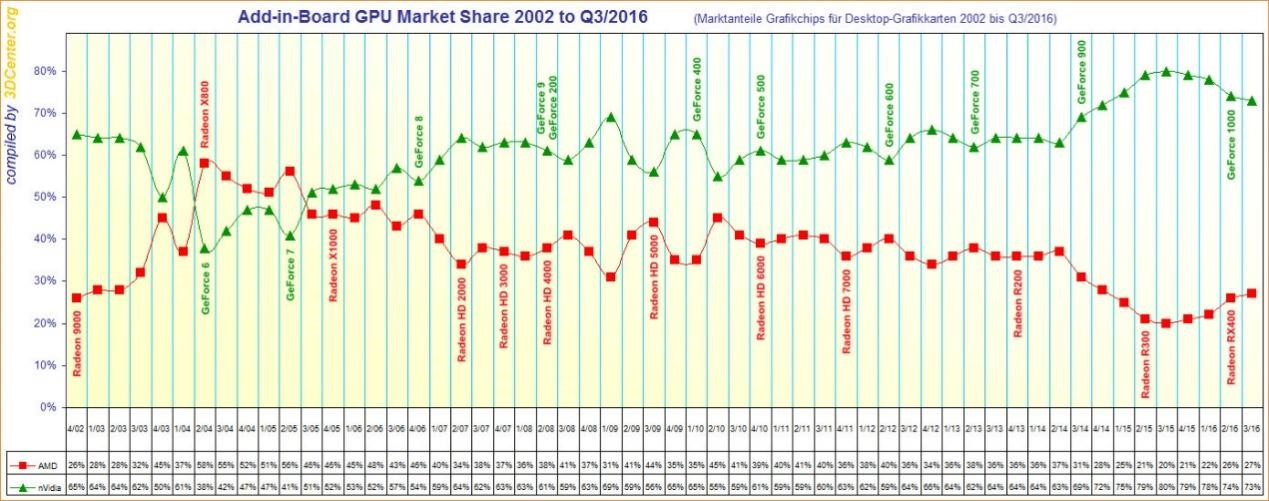
This study examines AMD and NVIDIA, two of the semiconductor industry’s leading businesses, and their strategic management decisions. AMD, founded in 1969, and NVIDIA, formed in 1993, have taken different approaches in the competitive CPU and GPU sectors. Both AMD and NVIDIA encountered significant challenges over time, particularly in their competition with Intel. Key leadership decisions played a crucial role in determining their success. This research explores the critical choices that propelled the growth of AMD and NVIDIA, and how these decisions shaped their market positions and technological advancements. The report includes a SWOT analysis of both companies, examining their strengths, weaknesses, opportunities, and threats. Additionally, a timeline-based event analysis is employed to review product innovations, acquisitions, and strategic partnerships. The findings suggest that AMD's resurgence, especially through its Zen architecture and Ryzen series, was largely driven by effective leadership. Meanwhile, NVIDIA’s emphasis on GPU technology and expansion into AI has cemented its market dominance. This study underscores how management decisions directly influence competitiveness and long-term success. It offers valuable insights into how strategic leadership plays a pivotal role in the growth of tech companies, particularly in dynamic sectors like semiconductors.
Show more
Read Article PDF
Cite
Research Article Open Access
Tourism, Environment and the Climate -- Based on the Application of Nordhaus’s Model
The economy and the environment have been constantly discussed, and the economy will lead to the destruction of the environment. Economic development usually leads to several negative impacts on the environment, such as air pollution, water pollution, soil pollution, ecological damage, and climate change. For example, the exploitation of natural resources is caused by the production of resources, industrial emissions and so on. In turn, the environment can also promote economic progress. For example, a beautiful environment can develop tourism, rich minerals can increase the number of resources for better production, and coastal areas also have the advantage of developing fisheries. So, this paper will discuss the relationship between the economy and the environment. Based on the data of Tibet, the RICE model and its theory are used to analyze how the two influence each other. After that, this paper makes recommendations to the Tibetan government based on the research results, which have achieved sustainable development.
Show more
Read Article PDF
Cite
Research Article Open Access
A Study on Merger and Acquisition (M&A) Strategy of Luxury Groups: Using LVMH as an Example
This research examines the merger and acquisition strategy of luxury corporations, focusing on LVMH. The first section focuses on a large-scale literature review. It discusses the history of the luxury industry and the concepts that underpin merger and acquisition strategy. The description of the luxury sector as the epitome of the non-proletarian class and its transformation into a more accessible "mass luxury" market concluded that this change was driven by a variety of transforming influences, including price reductions and sales of luxury brands as a result of the globalisation process, as well as cultural and social influences. Simultaneously, the basic acquisition process is founded on the idea that luxury conglomerates typically purchase luxury brands to gain a competitive edge, expand their market position, and enhance their brand portfolios. As a result of the observed congruence between the features of the luxury industry and the aims of its acquisitions, LVMH made several successful acquisitions, including its largest-ever purchase - Tiffany & Co. As a result, the collected data identify the most important aspects that contribute to successful acquisition in the luxury industry. The findings contribute to the identification of a wide range of difficulties, enabling the optimization of luxury groups' acquisition strategies and ensuring their long-term development growth by combining these approaches while maintaining the independence and exclusivity of acquired brands.
Show more
Read Article PDF
Cite