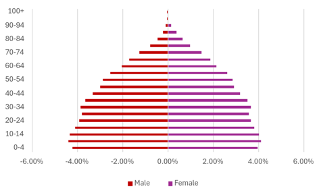
The global demographic landscape is undergoing significant changes due to increasing life expectancies and declining birth rates, leading to an aging population across many countries. This paper explores the multifaceted causes behind this demographic shift, including healthcare advances, fertility patterns, and improved living conditions. This paper examines the implications of an aging population on economic stability, social structures, and public services. In particular, this paper studies the impact on productivity due to a lack of young population, the pressure on the pension system from the increasing number of the elderly, and the corresponding challenges in the healthcare system. The study also analyzes various policy responses implemented by different nations to address these challenges, focusing on innovative strategies from developed and developing countries. Special attention is given to China's approach, highlighting its pension reforms, healthcare enhancements, and elderly care initiatives. By comparing and contrasting these strategies, this paper aims to offer insights into effective policy frameworks and potential areas for future research in managing the impacts of an aging population.