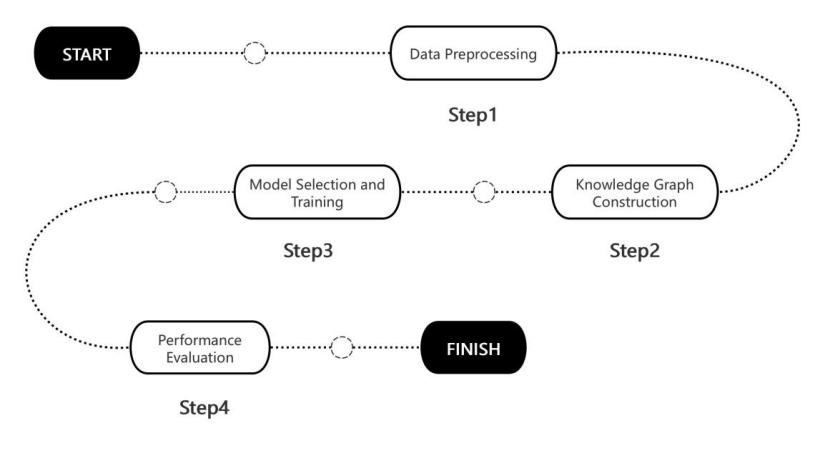
In the financial markets, accurate stock price forecasting is essential, especially for well-known companies like Mercedes-Benz. The effectiveness of three models in forecasting Mercedes-Benz stock prices is compared in this study: Random Forest (RF), Long Short-Term Memory (LSTM), and Autoregressive Integral Sliding Average (ARIMA). The analysis uses historical stock data from 2000 to 2023, applying feature engineering techniques such as simple moving averages to enhance model accuracy. Long-term dependencies are modeled using RF, complicated non-linear interactions are identified using ARIMA, and linear trends are found using LSTM. Mean Square Error (MSE) and Root Mean Square Error (RMSE) are used to evaluate the models. Results reveal that the RF model outperforms the others in short-term price forecasting, while the LSTM model excels in predicting long-term trends. The ARIMA model, though simple, struggles with volatility in turbulent market conditions. These results highlight the potential of cutting-edge machine learning models in financial forecasting and improve decision-making processes, providing insightful information for investors and financial experts.