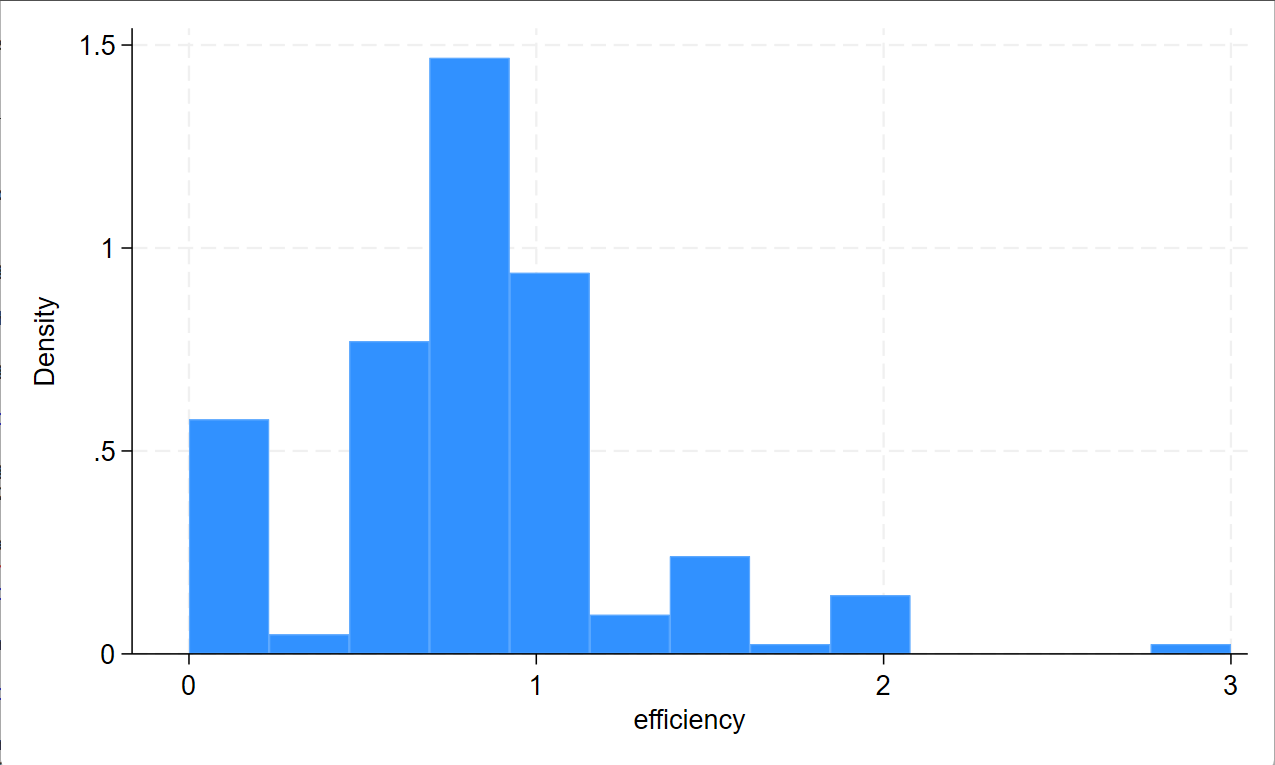
As the phenomenon of overtime working causes significant social harm, especially in China, to effectively make policies against this issue, it became vital to decode the factors that drives people to work overtime. Aside from the “involution” conformity pressure and intrinsic motivation, we believe that supervision from an authoritative figure plays a key role under different conditions. Within our study, by analyzing our data from a questionnaire we distributed on our own with linear regression and entropy weighting, we derived at the conclusion that: (1) supervision can significantly improve the overtime working efficiency and tendency of the employees. (2) Autocratic supervision exerts the strongest influence (+18.45% willingness, +19.59% acceptance) on the employee’s tendency to work overtime. (3) Normative social influence acts as the primary motivator for overtime working among employees generally (64.02 entropy weight), outweighing reciprocity (50.04), signaling (44.31), and intrinsic motivation (21.73). (4) Supervised settings increase predicted overtime efficiency by 5.45%.