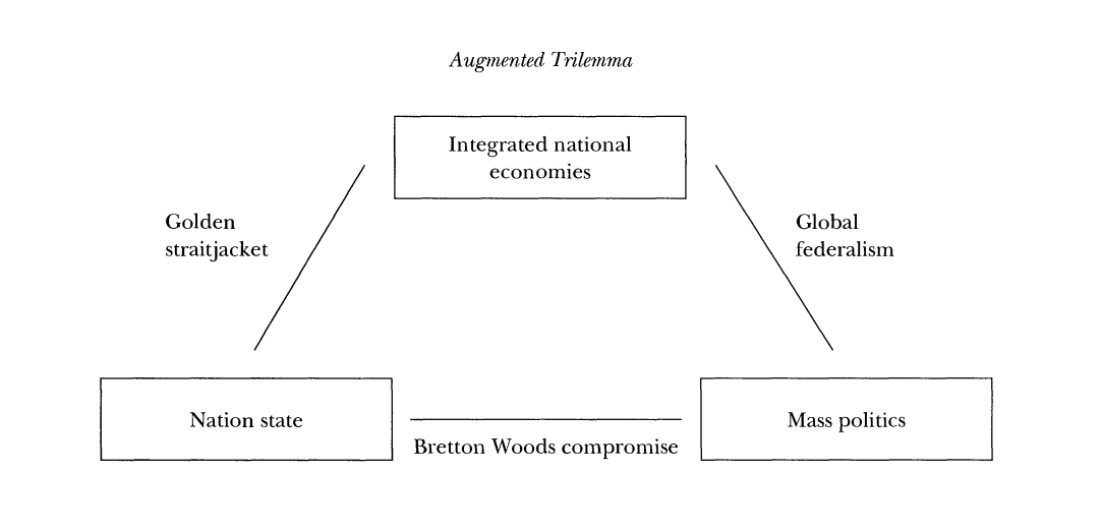
From the beginning of globalization, the world was bound together, and became more and more inseparable. There was a great amount of differences around the world before globalization started, while globalization eliminated it. Although experience rises and falls, overall, both the political aspect and technological aspect keep developing, which drives the global market to become more efficient. Simultaneously, people in academia started focusing on inequality as a problem. Especially for economic inequality, including the visual gap of rich and poor and the difference of opportunity costs for different social classes, are greatly affected by globalization. However, how do the effects work and how to value the effects is the popular question without consensus. The minority, whether they think it’s a good thing or not, acknowledge that globalization reduced the social inequality among the countries but exacerbated inequality within the countries. This paper focuses on the complicated relationship between globalization and inequality by comparing and contrasting recent studies and ideologies in this area. The core problem within globalization appears to be the existence of the gap between political globalization and economic globalization. As economic globalization keeps integrating all of the countries around the world, the political globalization process is still suffocated by the national boundary lines in every country.