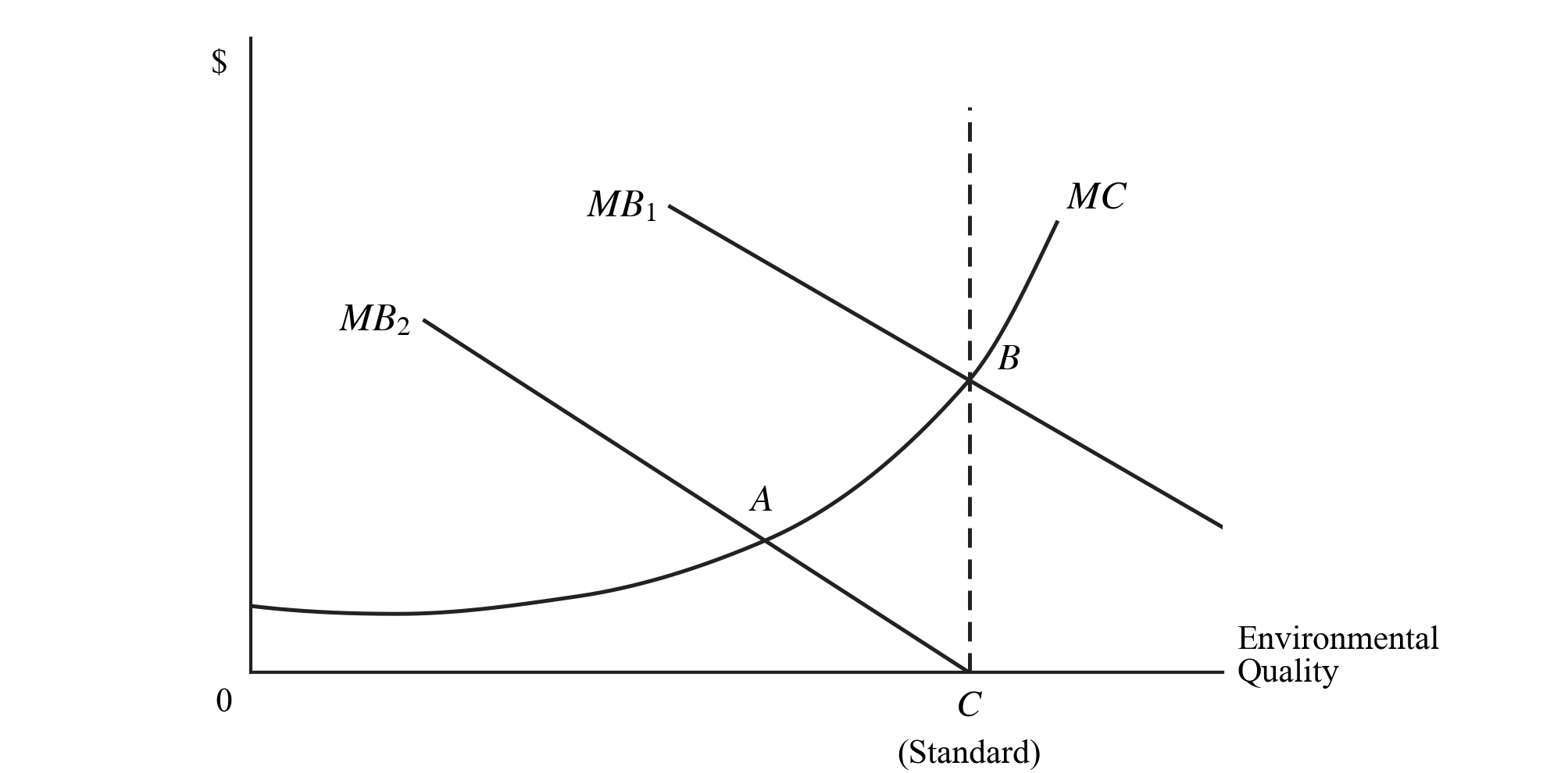
Retirement of coal-fired power stations and industrial coal plants is a crucial characteristic of the US energy transition process. While reduction in fossil fuel consumption provides climate and air-quality benefits nationwide, local communities hosting these facilities face uneven socio-economic, fiscal and public health outcomes. This paper analyses local socio-economic and public-health consequences of US coal-related facility shutdowns from the perspective of negative externality environmental economic theory and with the help of comparative case studies of Huntley Coal-Generating Station and Shenango Coke Works. By using peer-reviewed scholarly literature and secondary empirical evidence published in governmental reports, the paper aims to address two main research questions. First, what is the mixture of benefits and concentrated local costs of coal infrastructure shutdown? Secondly, what makes it so hard to prove the empirical link between environment policy, environmental conditions in the locality and health results and what case study evidence can be gained from a natural experiment?