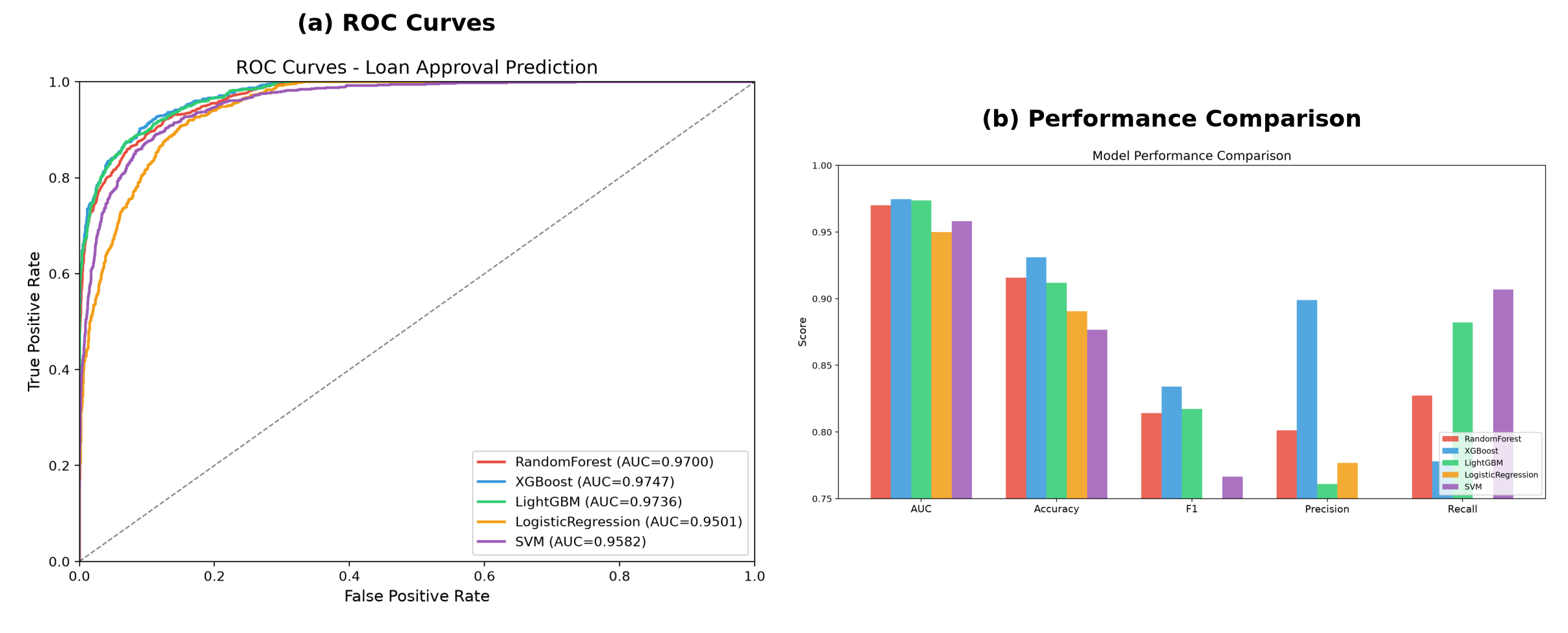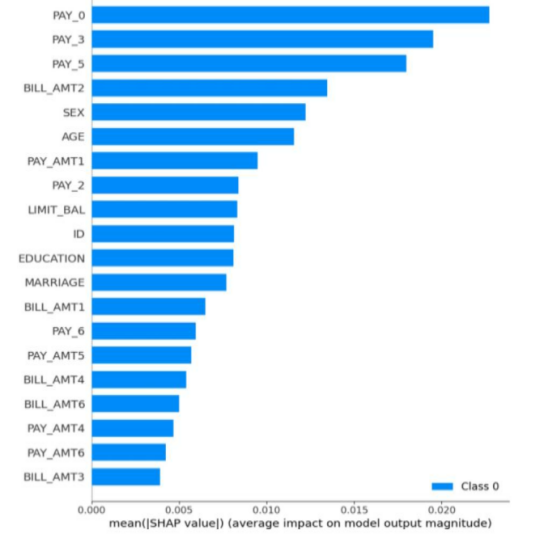
Credit risk management (CRM) is a fundamental pillar of financial systems, attracting attention from practitioners and researchers. Traditional credit assessment methods have limitations in today's complex, fast-changing financial environment. Advances in machine learning (ML) and behavioral data analytics offer new possibilities for improving CRM through better models and performance. This paper provides a systematic review of ML applications in credit default prediction and early warning systems, critically synthesizing recent literature. It discusses three major dimensions: the evolution of ensemble learning algorithms, the use and issues of behavioral data in feature engineering, and advances in model explainability (XAI). The paper shows that ensemble learning models have superior predictive power and argues that behavioral data complement traditional datasets for underbanked populations, such as "credit invisibles." It makes a strong case for XAI being essential for model transparency, combating bias, and meeting regulatory requirements. The review also addresses class imbalance, data privacy, and ethical issues, with mitigation strategies. The review offers theoretical guidance and practical implications for financial institutions to improve risk control and build reliable early warning systems, outlining directions for future research.